9 articles to prepare your trip
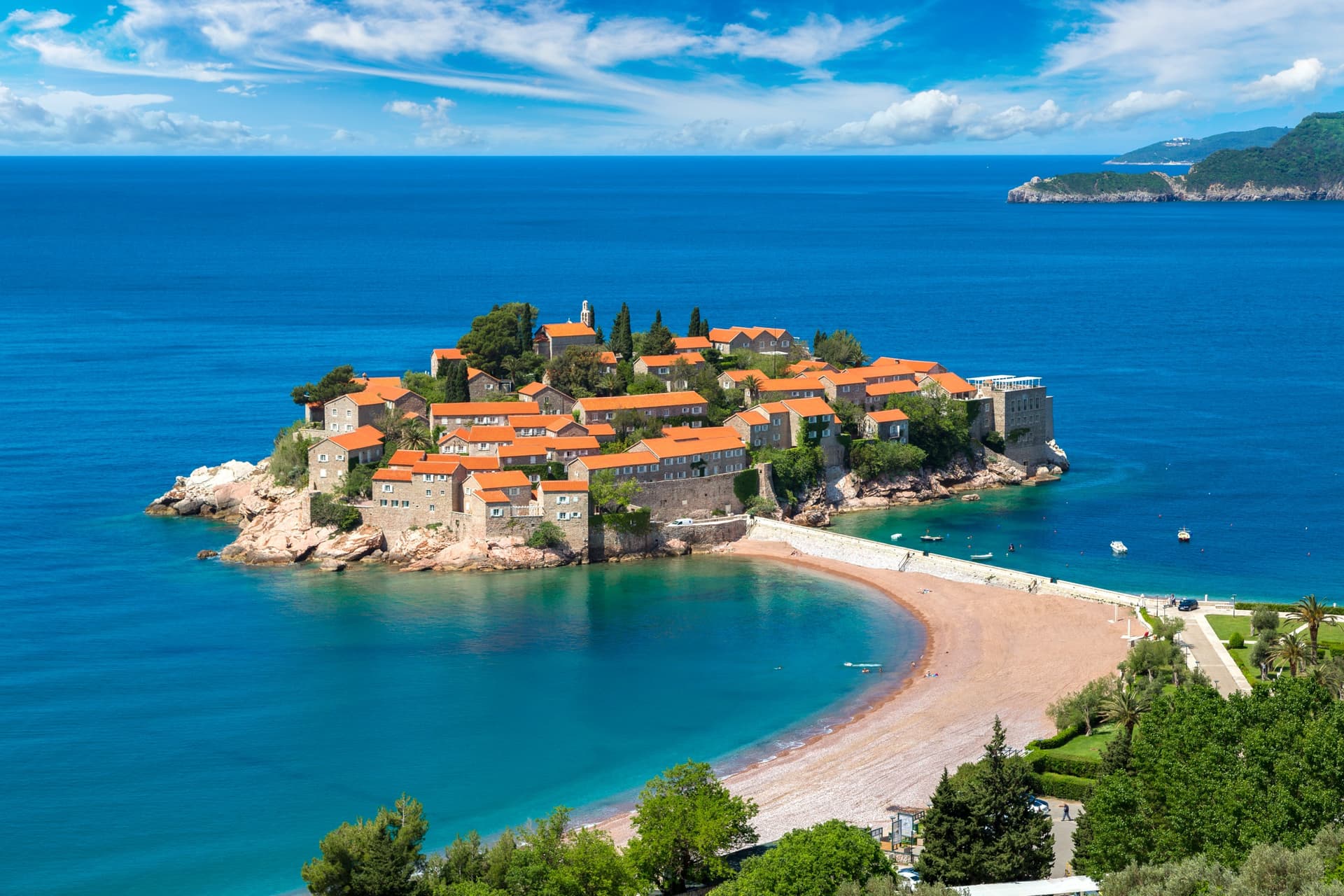
Connected to the mainland by a narrow sandy isthmus, Sveti Stefan Island is the most emblematic site on the Montenegrin coastline. A medieval fishing village transformed into an exclusive hotel, it can be visited from the public beach and viewpoints along the coastal road.
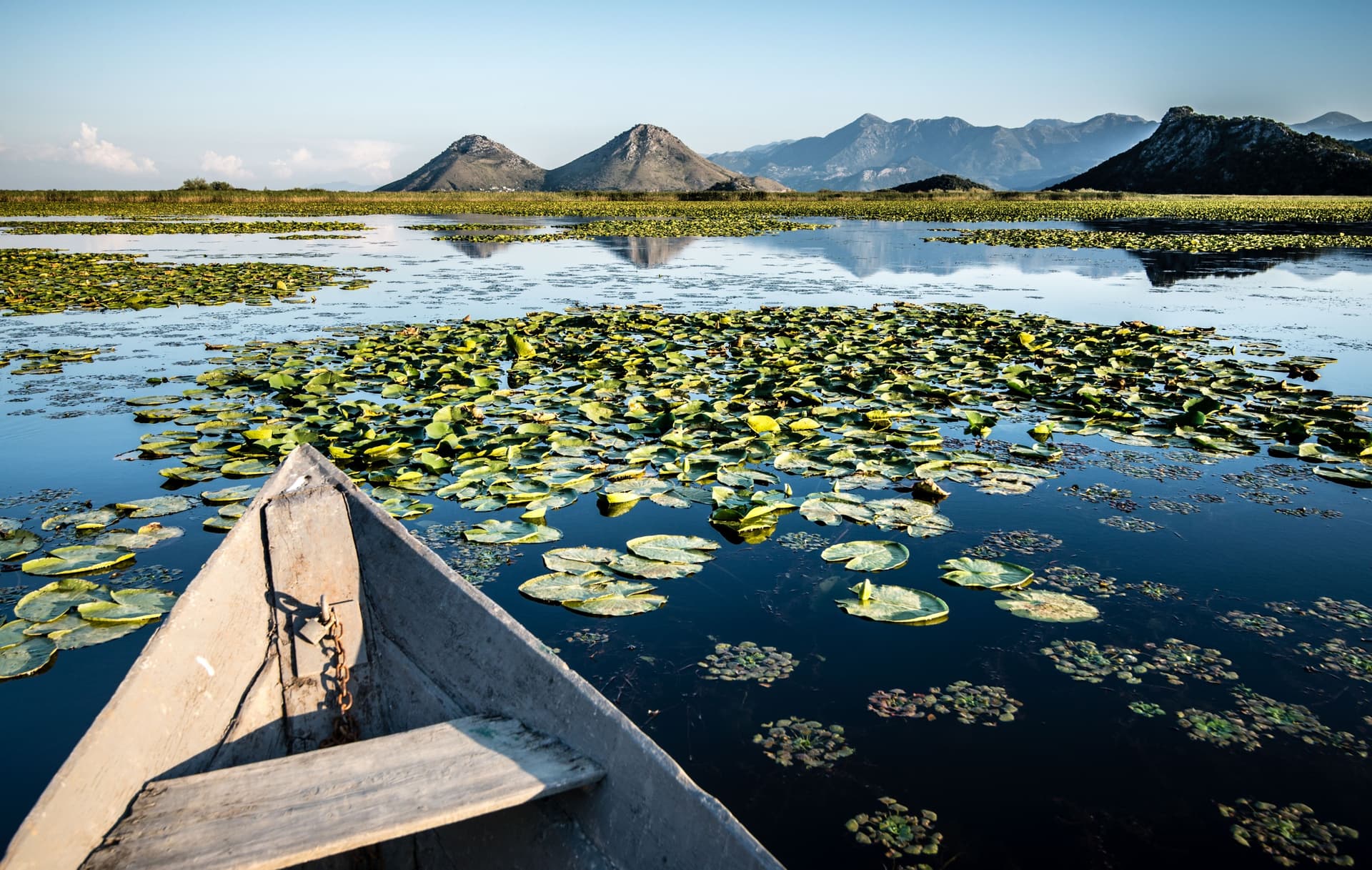
Lake Skadar, the largest lake in the Balkans, is home to curly pelicans, Orthodox monasteries on islets and vranac vineyards within a protected national park in southern Montenegro.
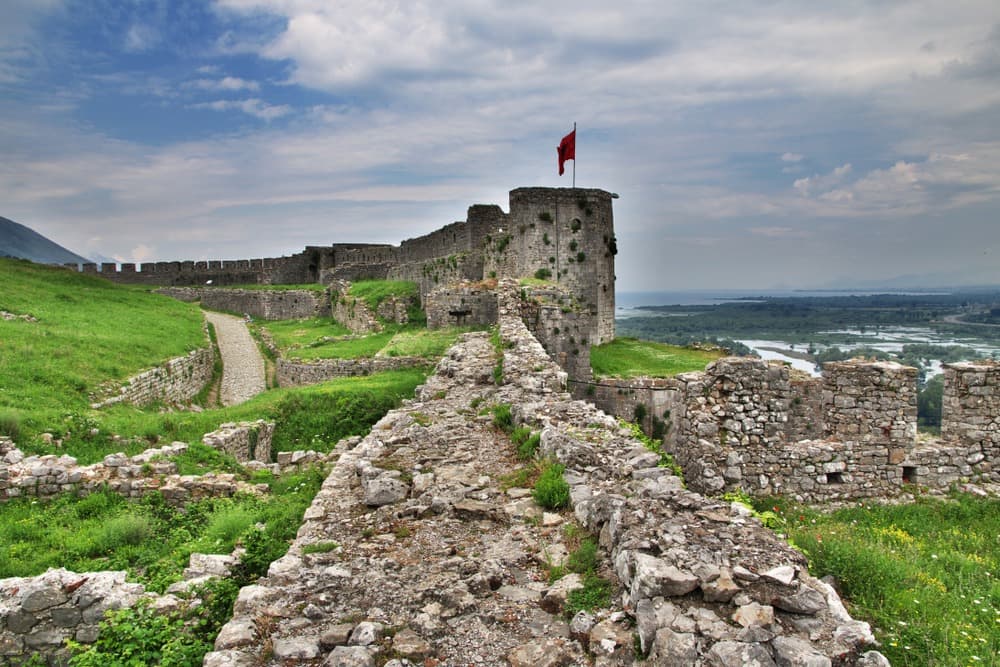
A fortress perched above Shkodra, Rozafa Castle encompasses 4,000 years of history, a founding legend, and sweeping views over the lake and Albanian Alps.
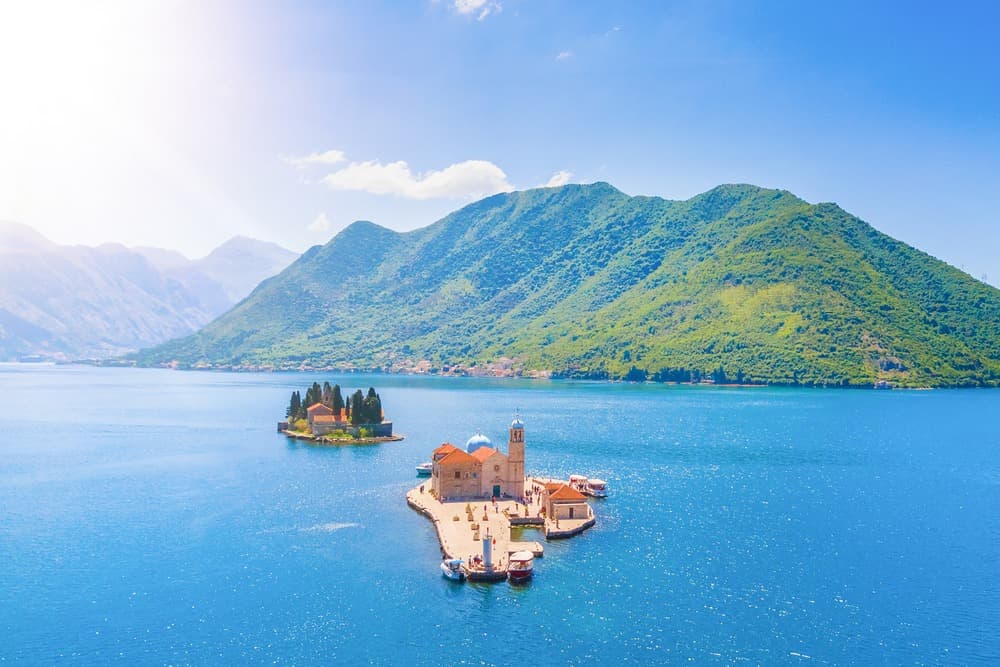
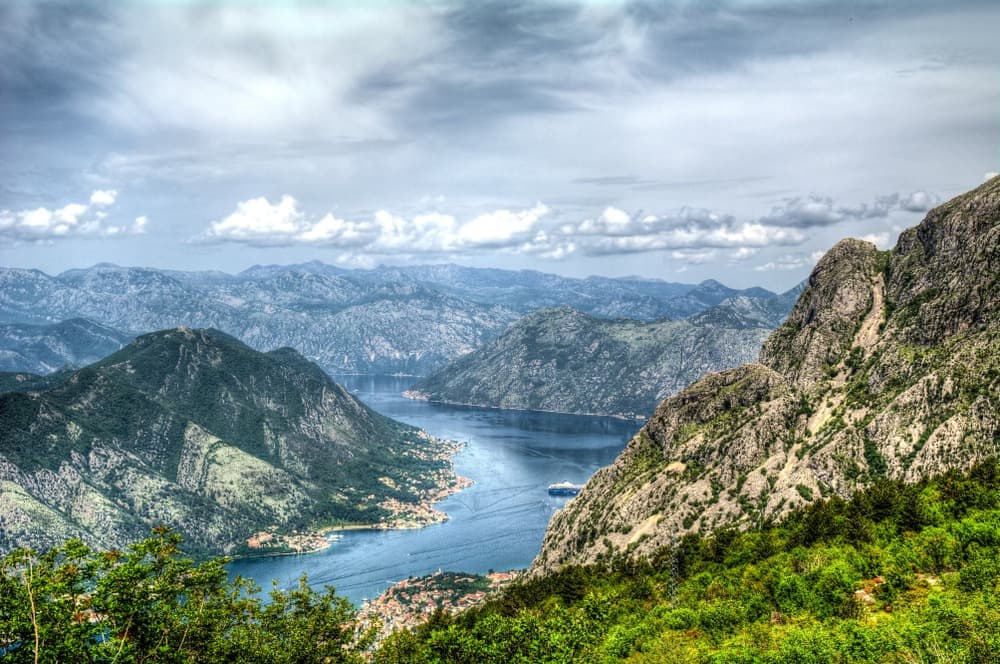
Artificial island built in the 15th century facing Perast, in Kotor Bay: baroque church, paintings by Tripo Kokolja, museum and traditional Fasinada festival.
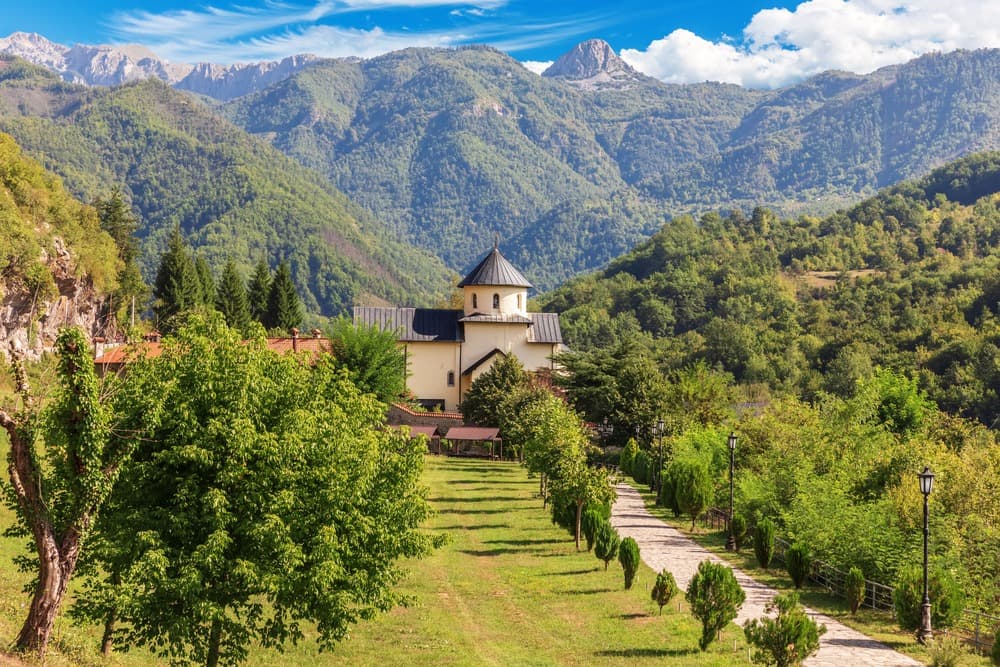
Orthodox monastery founded in 1252 in the Moraca canyon, about fifty kilometres from Podgorica, renowned for its 17th-century frescoes and icons.
Overlooking Cetinje, Lovćen National Park combines a 6,220-hectare wooded massif, the mausoleum of prince-poet Njegoš, and the village of Njeguši, birthplace of Montenegrin charcuterie.
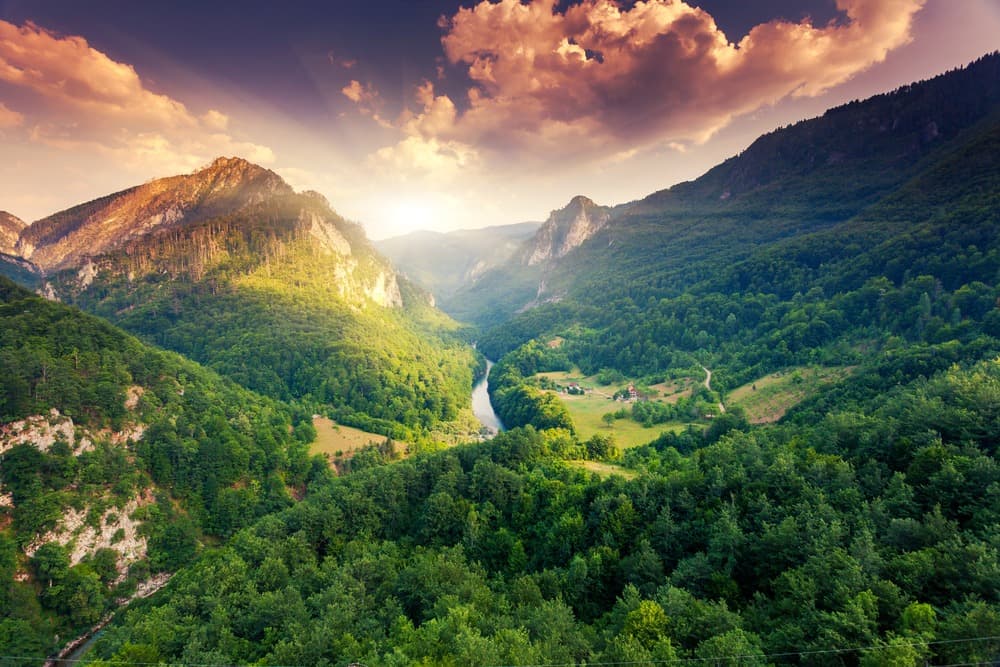
A karst massif of the Dinaric Alps inscribed on the UNESCO World Heritage list, Durmitor National Park brings together 18 glacial lakes, the Tara Canyon and the summit of Bobotov Kuk.
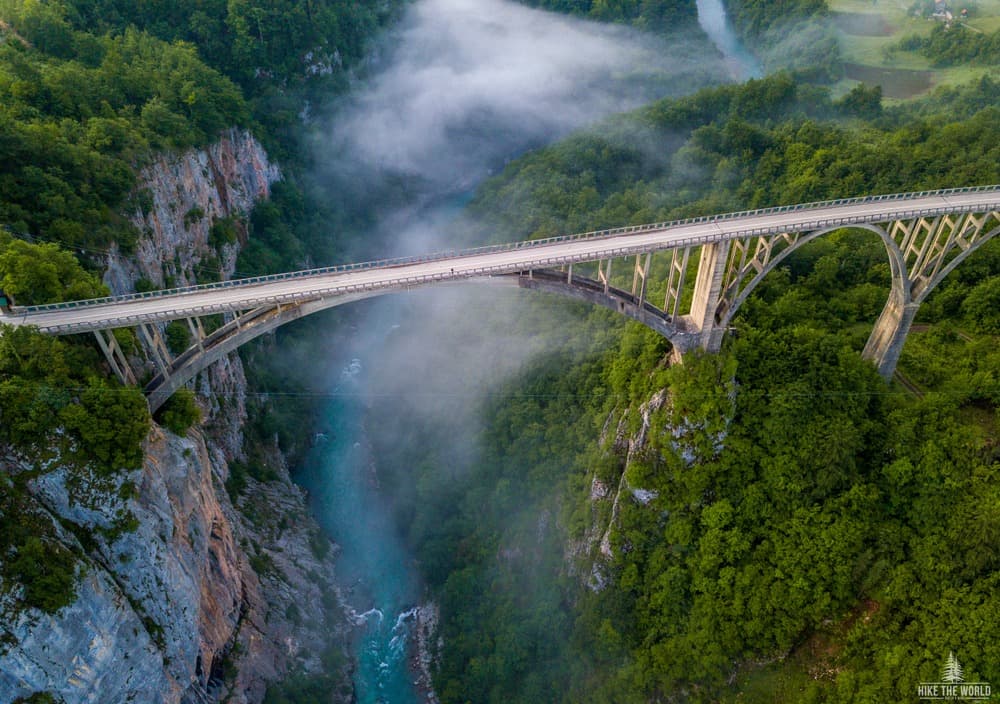
A five-arch structure built between 1937 and 1940, Djurdjevica Tara bridge spans the Tara Canyon 172 m above the river, near Žabljak.
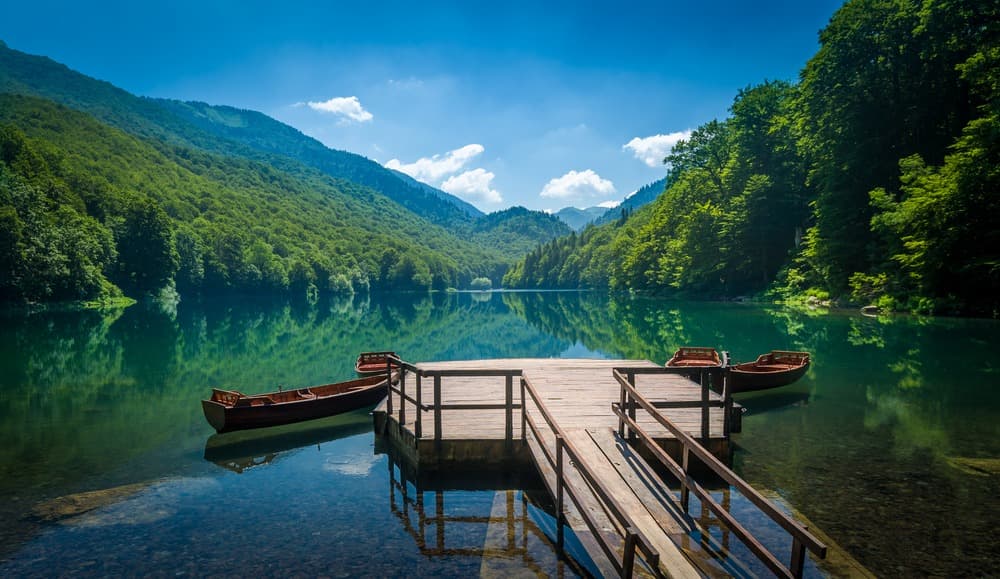
Parc national de Biogradska Gora
UNESCO-listed primary forest, alpine lake and Bjelasica peaks: Biogradska Gora condenses Montenegrin nature across 54 km², near Kolasin.
9 of 9 results
We use cookies to improve your experience and measure our site's audience. You can choose what you accept. Learn more.