Kolasin
Kolasin
Montenegro's premier ski station in winter and hiking base in summer, Kolasin offers mountains, canyons and authenticity, just two hours from Podgorica.
Kolasin welcomes you to the tranquility of Montenegro's mountains. Culture, tradition and wild nature come together in a recipe designed to sweep you away. It's a cozy refuge for adventurers and an affordable destination for budget-conscious travelers.
History
Founded in the 18th century, Kolasin was an Ottoman military outpost positioned to anticipate invasions from Brda-Herzegovina rebels. The vestiges of this base represent today a popular architectural and historical attraction for visitors to the city.
Kolasin's history has long been marked by clashes between Montenegro's Christian communities and Muslims. In 1878, following violent battles against the Ottoman Empire, Montenegro finally secured control of the city. During World War II, from 1941 to 1944, German and Italian forces bombed Kolasin 18 times over. It was liberated only on December 29, 1944, by the fifth Montenegrin brigade.
Discovering Kolasin
Don't judge a book by its cover. At first glance, Kolasin may not seem exceptional, often overshadowed by Zabljak 90 km away. However, if you take time to discover it, hidden treasures will reveal themselves. Here's an overview.
A gem in the mountains
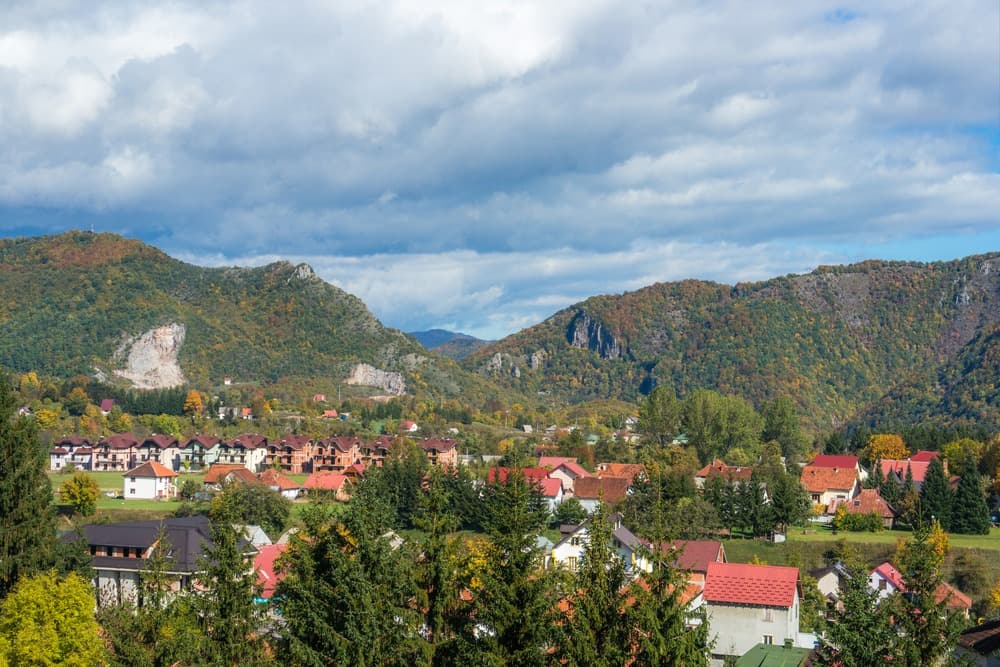
Nestled in the mountains of northeastern Montenegro, the city is primarily popular for winter tourism. It's the gateway to the Kolasin 1450 and Kolasin 1600 ski resorts. In summer, the region offers numerous outdoor activities. Kolasin boasts a good choice of accommodations and tourist services, with the advantage of easy road and rail access. Local life revolves around the main square Trg Boraca, lined with traditional single-story mountain architecture. At its center stands a war memorial erected in memory of World War II victims.
Some 2 km from the city center, via the lane climbing opposite Kolasin Church toward the wooded hillside, you'll reach the "Dulovine" botanical garden. Created in the 1980s, it was Montenegro's first park of its kind. The grounds host a rich variety of alpine flora and vegetation, including many medicinal plants. To witness the beauty at its peak, plan your visit during daylight hours between mid-May and late June.
Kachamak, a culinary pleasure not to be missed
Originating in Kolasin and widespread throughout the north of the country, kachamak ranks among the jewels of traditional Montenegrin cuisine. To prepare this delectable and nourishing dish, locals use potatoes and a mixed grain flour—predominantly corn—as a base. They then incorporate kajmak, a blend of cheese and cream added at the end of cooking, which makes all the difference to the taste. Fair warning: if you order it, tradition holds that you finish your entire plate, or you risk losing the love of your life…
Venturing into the heart of nature
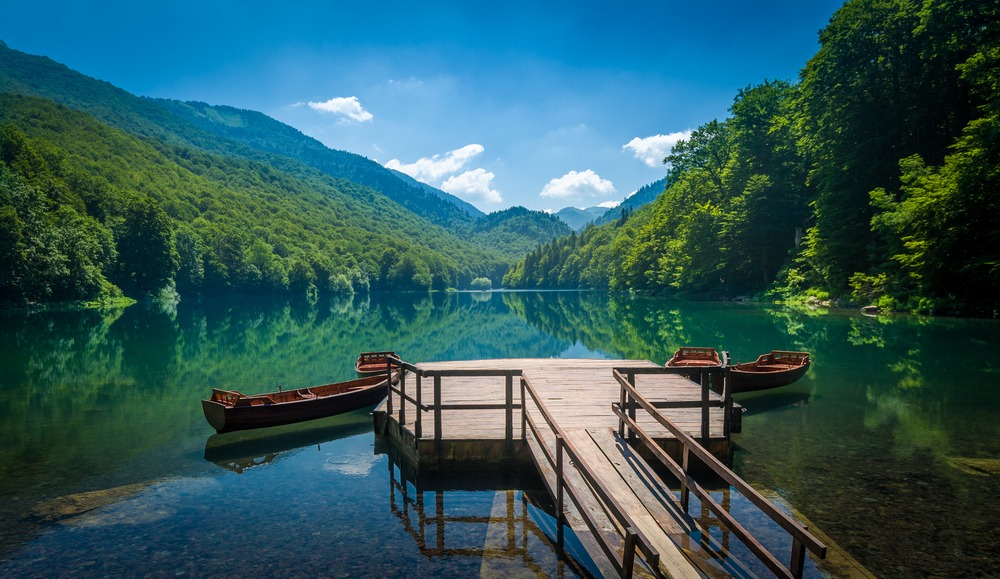
While the urban area of Kolasin may lack attractions, venture beyond the center to discover true wonders. Love hiking? Explore the Bjelasica, Komovi and Sinjajevina mountains. Discover the forest complex of Biogradska Gora National Park. Satisfy your craving for outdoor relaxation—you'll find a wide range of sports and recreational activities: horseback riding, jeep safari, cycling tours, fishing, hunting, skiing…
The Moraca River winds through the locality, marking the beginning of the scenic route through Moraca Canyon. The section of the gorge between Kolasin and Podgorica is called "Platije." The highway hugging the canyon's edge offers breathtaking views. An even more vertiginous spectacle awaits you on the road to Zabljak village. Carved by the turbulent Tara River, the Tara Canyon is the world's second deepest canyon (Europe's deepest). It stretches 82 km in length and 1,300 m in depth. Head to the Durdevica Tara Bridge, which spans the gorge, for the best view. Admire the lush vegetation and, below, the rapids of the Tara River, which bears the melancholic nickname "tears of Europe."
Practical Information
Climate in Kolasin
Kolasin experiences slightly cooler temperatures than the coast. Summer days average 20 to 25°C, whereas on the coast temperatures often drop to 5°C or lower, even during summer months. Snow is present in Kolasin year-round. Generally, snowfall extends from November to April, though this varies from year to year.
Kolasin is connected to various regions of Montenegro by two-lane highways. The city sits on the main route crossing Montenegro's capital Podgorica and the coast to the north of the country. It also has a railway station on the line connecting Serbia's capital Belgrade and the city of Bar. This is one of Europe's most beautiful train journeys. The nearest airport is in Podgorica, 80 km away, offering regular connections to major continental destinations.
Kolasin is a pleasant mountain town to explore on foot. Buses and taxis operate throughout the region, though you can also travel by bike to make the most of the fresh air.
What to Do in Kolasin?
- Soak in the city's atmosphere strolling through the main square Trg Boraca
- Discover some of Montenegro's most beautiful flowers at the "Dulovine" botanical garden
- Embark on a jeep safari within Biogradska Gora National Park
- Enjoy splendid views along the scenic route through Moraca Canyon
- Zip-line across the heart of Tara Canyon, and more
Want to discover this destination?
Our local advisors design your tailor-made trip.