Kotor
Kotor
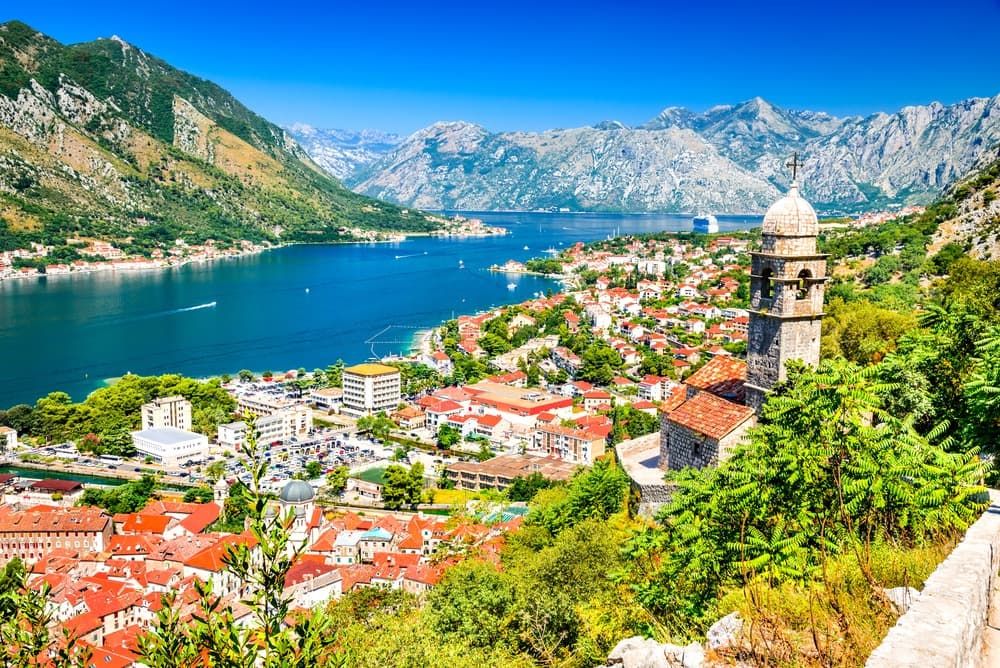
A UNESCO jewel nestled at the heart of the Bay of Kotor, this fortified Montenegrin city condenses 2,000 years of history between a Mediterranean fjord and Venetian ramparts.
Kotor is one of the finest destinations on the Montenegrin Adriatic coast. Allow yourself to be captivated by its old town tucked beneath a verdant hillside, terracotta-roofed houses, and the shimmering waters of the Bay of Kotor.
History
Kotor carries more than 2,000 years of history within its walls. Its name derives from the word Dekatera, translated as "warm". From Illyrians to the French, through Venetians, Austrians, and beyond—each of the many conquerors who governed the city left their mark on Kotor's built and cultural heritage. Montenegro briefly took possession in 1813, but Austria claimed it with the backing of major powers. Only at the end of World War I was Kotor liberated. Moreover, numerous stories and monuments testify to a long tradition of Catholic and Orthodox cooperation within the locality.
Discovering Kotor
Kotor, with its fortified seaside tableau, leaves visitors with unforgettable memories. Absolutely place it on your itinerary during a road trip through the Balkans, or dedicate several days to fully savor it.
A Step Back in Time in the Heart of Stari Grad
Pass through Kotor's historic gates and discover Stari Grad, the old town. Soak up the timeless atmosphere within weathered stone walls. In summer, large tourist groups occupy the streets, while solo travelers retreat into the precincts of the Gothic Drago palace or the Church of Saint Nicholas for moments of tranquility.
Continue your visit to Saint Tryphon Cathedral, founded in the 12th century. First admire its Baroque bell towers, then enter and appreciate its Romanesque interior enhanced by Byzantine paintings. Next, head to Saint John Fortress! As you'll need energy for the 1,426 steps leading to the site, don't hesitate to settle at one of Kotor's splendid terraces for a sumptuous and restorative meal. Seafood is particularly recommended. Once refreshed, tackle the staircase—you'll reach the summit in about thirty minutes. The reward will stay with you: a breathtaking view over Kotor.
Kotor and the Cats
Cats hold a special fascination in Kotor. You'll encounter many as you stroll through the city. At first glance, these felines seem to wander carelessly, but look closer and you'll see they're perfectly well cared for and well fed. Locals and tourists alike delight in pampering them with food and water. According to legend, the presence of cats in Kotor dates back centuries, when they helped villagers chase mice through the old town. Others say they were introduced by sailors returning from overseas in the early 1900s. In any case, if you love cats, a visit to Kotor's Cat Museum is a must!
Around Kotor
Kotor enjoys a privileged location for exploring the Balkans region. You can reach the stunning Budva Bay in about thirty minutes and enjoy its golden sandy beaches, just a short walk from Budva's old town. You can then continue your excursion to Sveti Stefan, a former fishing village now renowned for its cluster of stone villas dating from the 1400s. The luxurious Aman Sveti Stefan and its pink beach are a popular attraction among celebrities.
If you seek culinary discoveries, head to the Grbalj Valley to taste traditional Montenegrin brandy. At day's end, settle into a local restaurant to savor a glass of wine and dishes made with organic produce. Don't leave the city without attending a concert by local musicians in a lounge.
Practical Information
When to Visit Kotor?
Kotor enjoys a warm Mediterranean climate characterized by a dry summer season. The average annual temperature is 15.2°C, with annual precipitation averaging 1,299.8 mm.
May is a pleasant period, mild and fairly dry, to see Kotor's vegetation in bloom. June stands out as the ideal month, with very little rain, comfortable summer temperatures (around 25°C), and still reasonable prices. However, if you visit in July or August, expect higher prices and significant tourist crowds.
Generally, tourists discover Kotor during a cruise stop or a road trip through the Balkans. It's an excellent base for a journey to Montenegro. The city has several road connections to various Adriatic destinations and neighboring countries like Bosnia, Croatia, and Albania. Exercise caution when driving—roads are narrow and winding. If you fly into Montenegro, the most convenient airports are Podgorica and Dubrovnik. Less popular, Tivat Airport is just 8 km from Kotor. The airport handles connecting flights to Belgrade in Serbia, Copenhagen, London, Moscow, Paris, Skopje, Rome, Pristina, Saint Petersburg, Helsinki, and Frankfurt (seasonal).
Kotor is a small city easily explored on foot. The old town is accessible through three gates, beyond which you'll find yourself in a labyrinth of narrow alleys between weathered stone buildings. Parking in the city center can be quite tricky if you plan to use your car. Be careful not to park carelessly around the old town—tow operators tend to target tourists. Leave your car in a free parking area away from the site, then walk.
What to Do in Kotor?
- Stroll through the charming alleys of Stari Grad
- Visit Saint John Fortress
- Enjoy an unusual visit to Kotor's Cat Museum
- Relax on the beaches of Budva Bay
- Explore Grbalj Valley, and more
Want to discover this destination?
Our local advisors design your tailor-made trip.