5 Reasons to Discover Montenegro
Nestled in the heart of the Balkans, Montenegro lies between the Adriatic Sea and the mountains. An ideal destination for winter sports enthusiasts
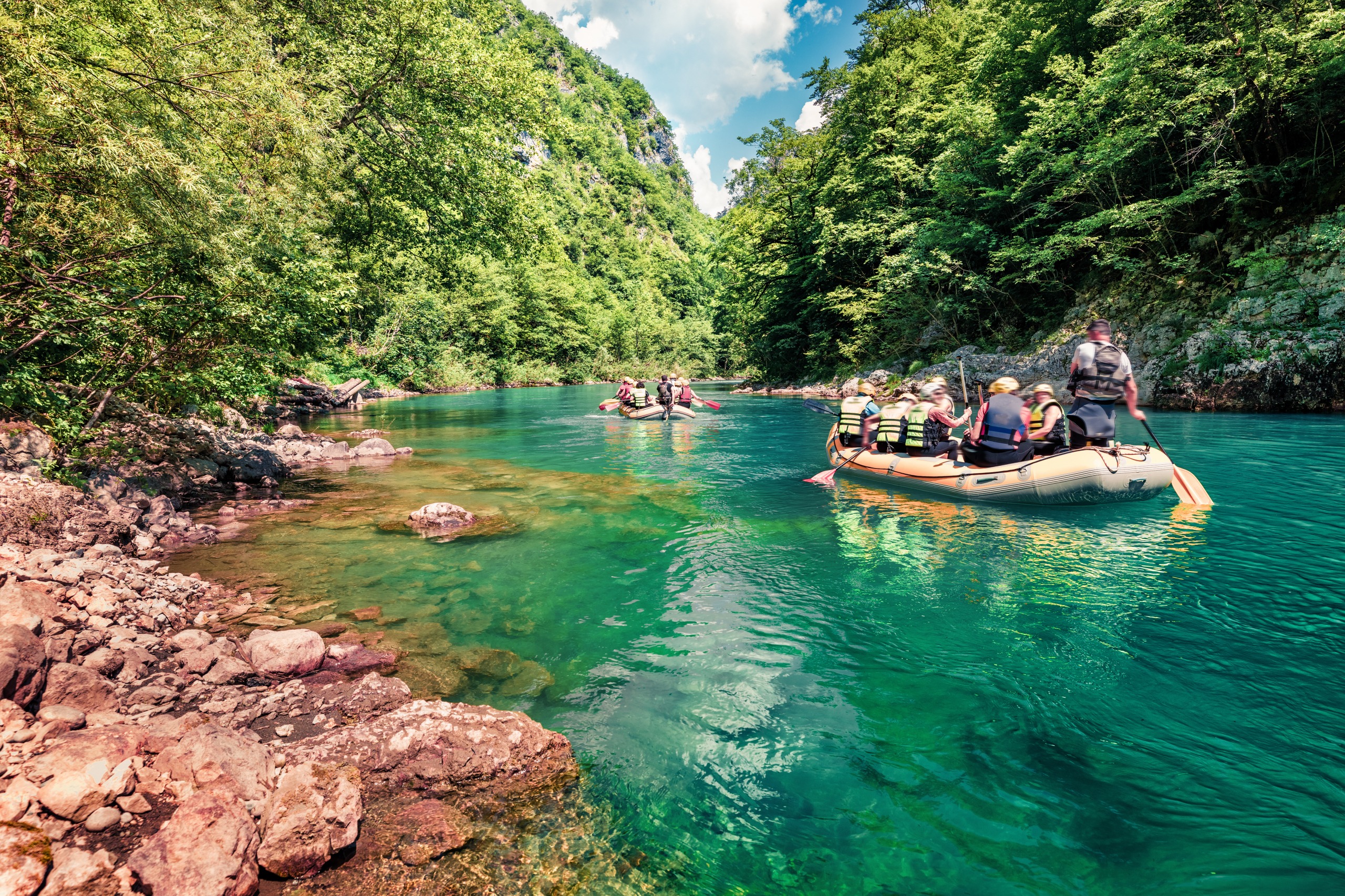
Nestled in the heart of the Balkans, Montenegro lies between the Adriatic Sea and the mountains. An ideal destination for winter sports enthusiasts, the country is equally cherished by history lovers and summer seekers drawn to the Montenegrin coastline. Yet Crna Gora overflows with countless other treasures… Follow us and discover why visit Montenegro – whatever the season.
1. Its historic and architectural heritage
Podgorica
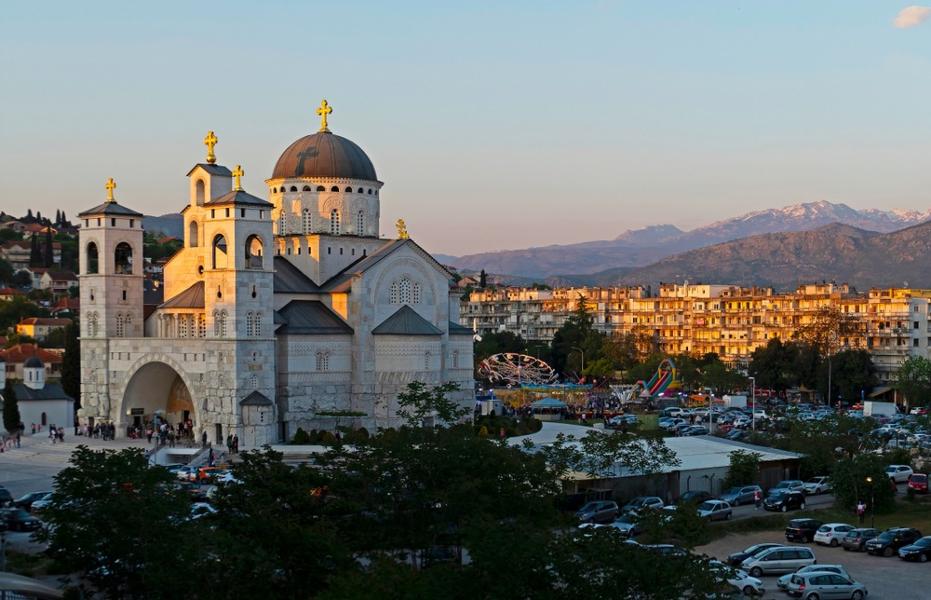
Montenegro's capital is renowned for its eclectic and distinctive architecture. Marked by former colonial influences, Podgorica showcases buildings with multicultural influences, as well as an omnipresent brutalist style – a movement that thrived between the 1950s and 1970s, known for its absence of ornamentation.
Kotor
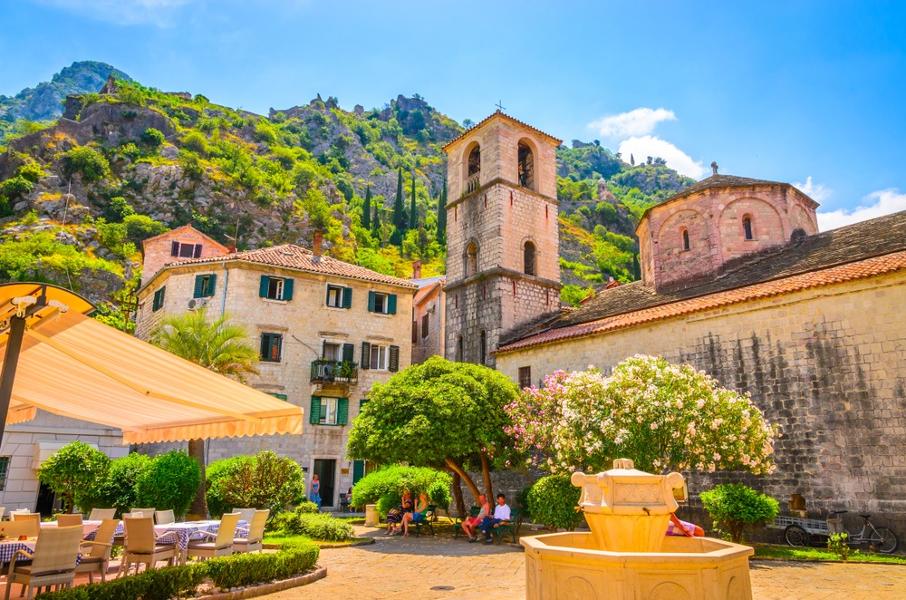
Listed as a UNESCO World Heritage Site,Kotor is a splendid fortified city. During the Middle Ages, its port counted among the most important centers of commerce and art in Montenegro. Nestled at the foot of Mount Lovćen, it attracts hiking enthusiasts. Its finest walk? The ramparts that encircle the city! After climbing some 1,500 steps, you'll be rewarded with a breathtaking panoramic view.
2. Its mountain towns for trekking and skiing
Zabljak
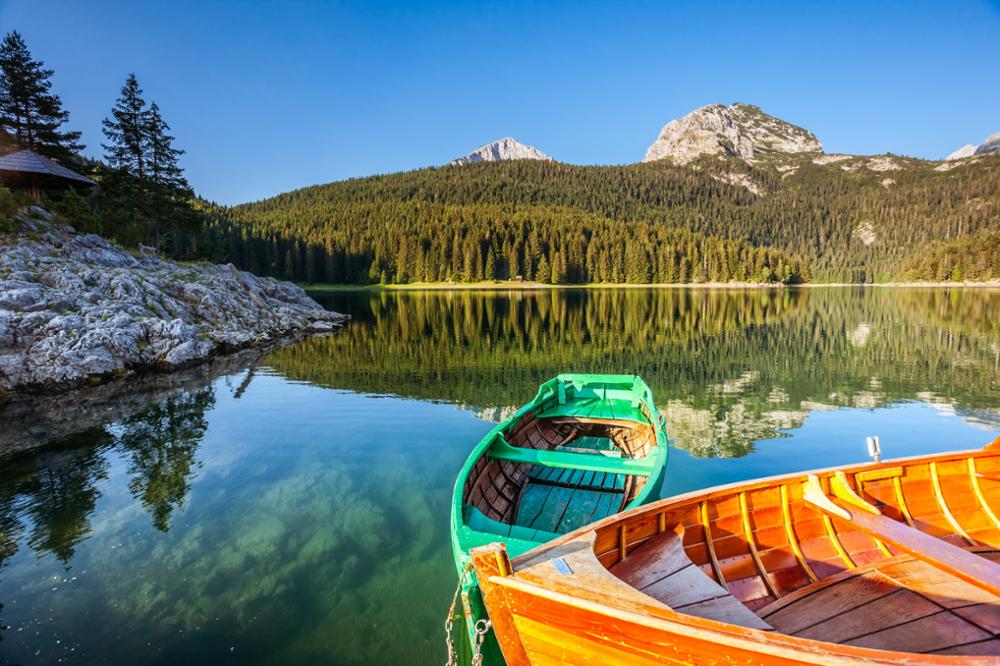
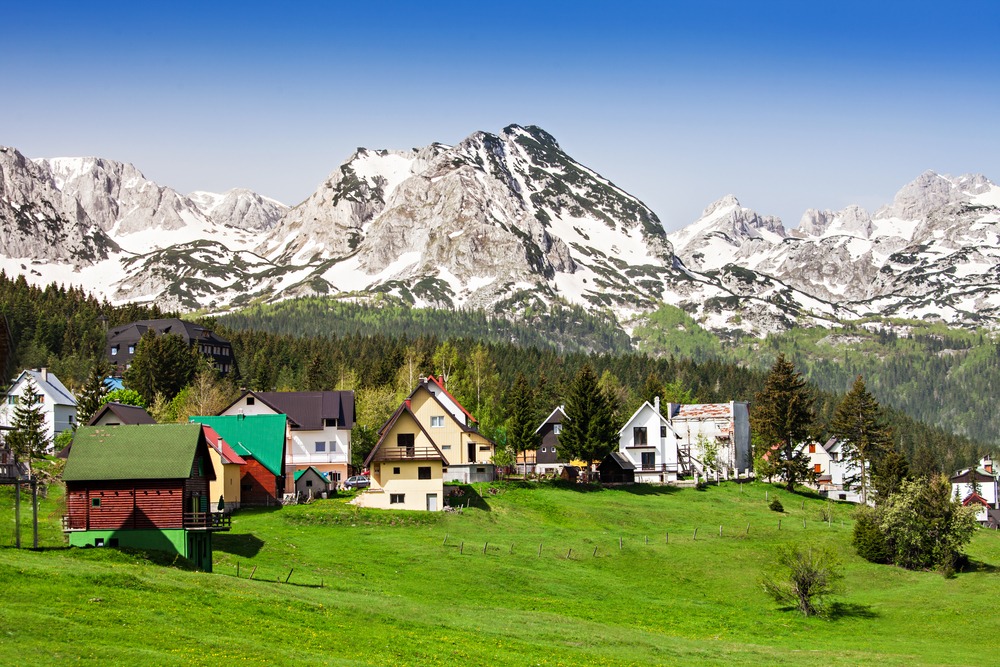
Located within Durmitor National Park, the town of Zabljak is a premier destination for hiking and cycling. The ascent of Bobotov Kuk peak (standing at 2,528 meters altitude), though somewhat demanding, is particularly favored by trekkers. Just three kilometers from Zabljak, you'll also find the stunning Crno jezero (Black Lake), beloved for the color of its waters and the magnificent forest lining its shores.
Kolasin
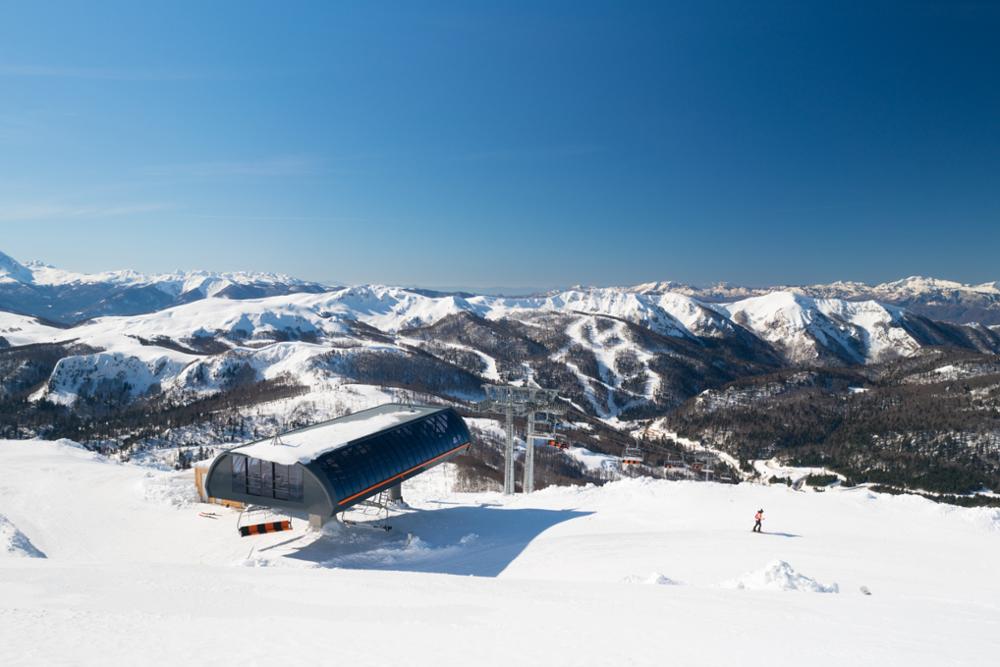
Nestled at the foot of Bjelasica Mountain, Kolasin is renowned for its ski resort, located just fifteen minutes from town. Serving as the gateway to the Kolašin 1,450 and Kolašin 1,600 ski areas, the town comes alive each winter. In summer, the region is equally popular for outdoor activities around Bjelasica or Biograd Lake, tucked within Biogradska Gora National Park.
3. Its coastal towns and Montenegrin beaches
Budva
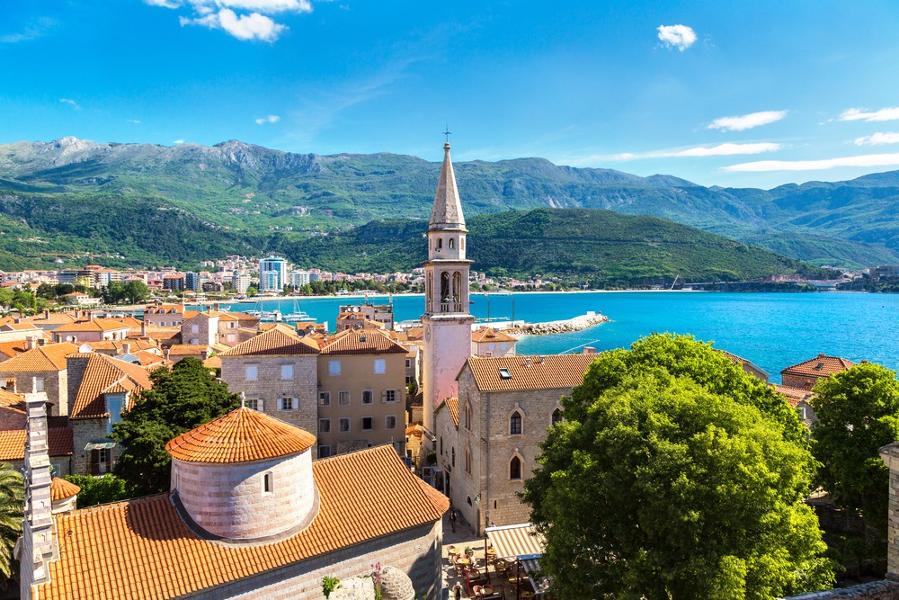
Nicknamed the "Saint-Tropez" of the Montenegrin Riviera, Budva is celebrated for its beach resorts. Situated between the Adriatic Sea and its medieval center, the town offers truly postcard-perfect landscapes… You can visit buildings showcasing Greek, Roman and Ottoman architectural styles and enjoy relaxation on the beaches of Mogren or Kamenovo beach – and its secluded coves.
Perast
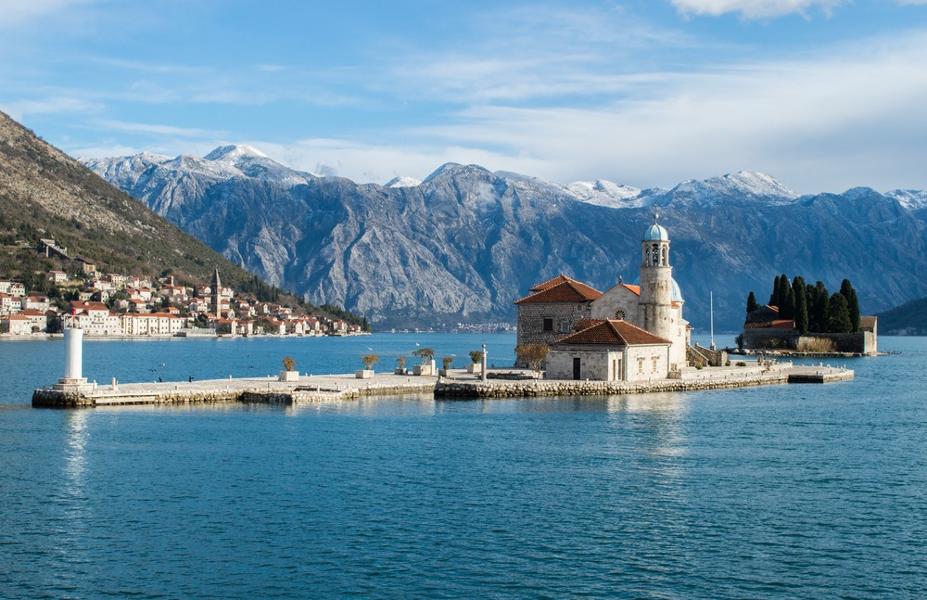
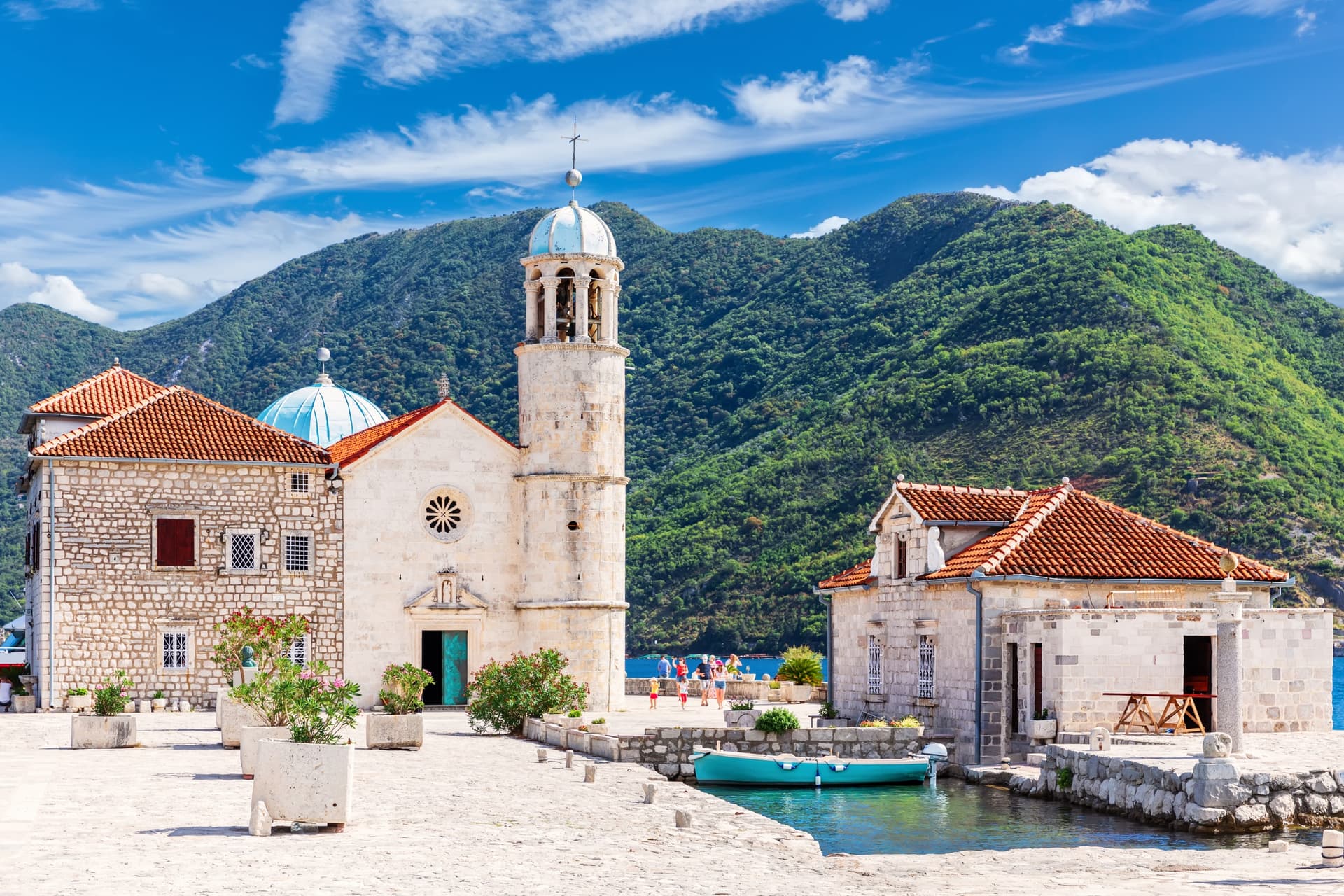
Perast is a former fishing village located in the "Bays of Kotor" – one of Montenegro's most beautiful areas. Renowned for its white-stone baroque architecture, this small town features nearly a dozen palaces! Lined along the waterfront, they offer stunning views over the sea!
4. Its local curiosities
The submarine P-821 Hero
In the upscale Porto-Monténégro resort, discover the former Yugoslav submarine P-821 Hero. During the visit, you'll be immersed in the history and life of this military vessel used until the early 1990s for humanitarian missions.
Its endemic fauna and flora
Montenegro is renowned for its four national parks (Durmitor, Lovcen, Skadar, Biogradska Gora) and exceptional biodiversity. There, in the heart of its wild lands, forests and lakes, live numerous endangered animals such as the Balkan lynx and Dalmatian pelicans (curly-pelicans among the heaviest flying birds in the world).
Lake Skadar
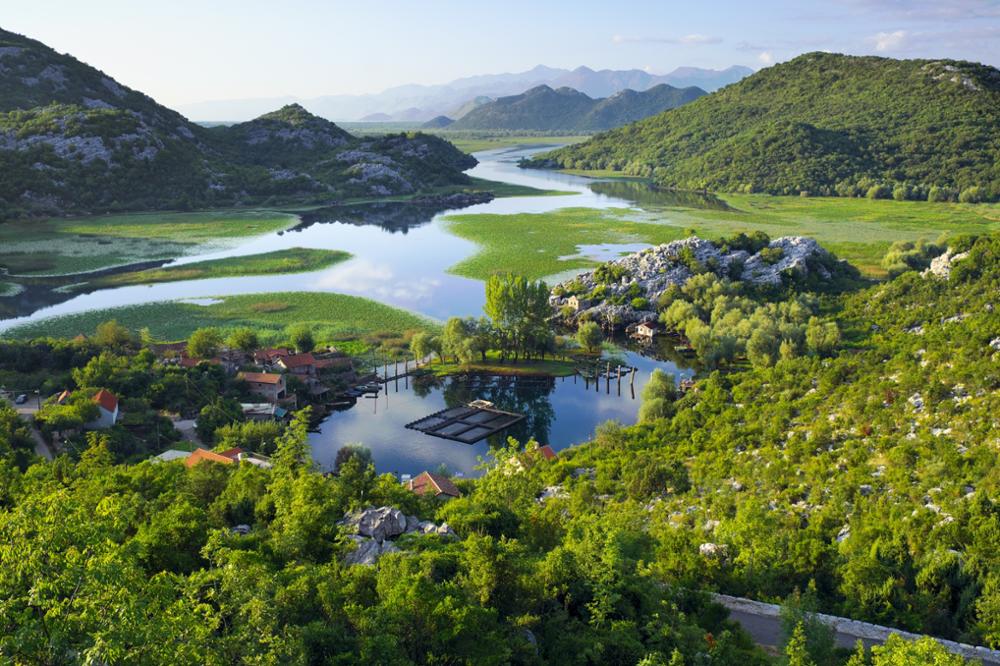
The natural border between Montenegro and Albania, Lake Skadar is a true jewel that can be explored by boat. During your excursion, you'll admire the beauty of the surrounding landscapes and over 270 bird species! Indeed, the site hosts Europe's largest bird reserve. The lake can also be explored by hiking, cycling or swimming (in summer, water temperature reaches an average of 27 degrees).
5. Its gastronomy – or THE reason to visit Montenegro!
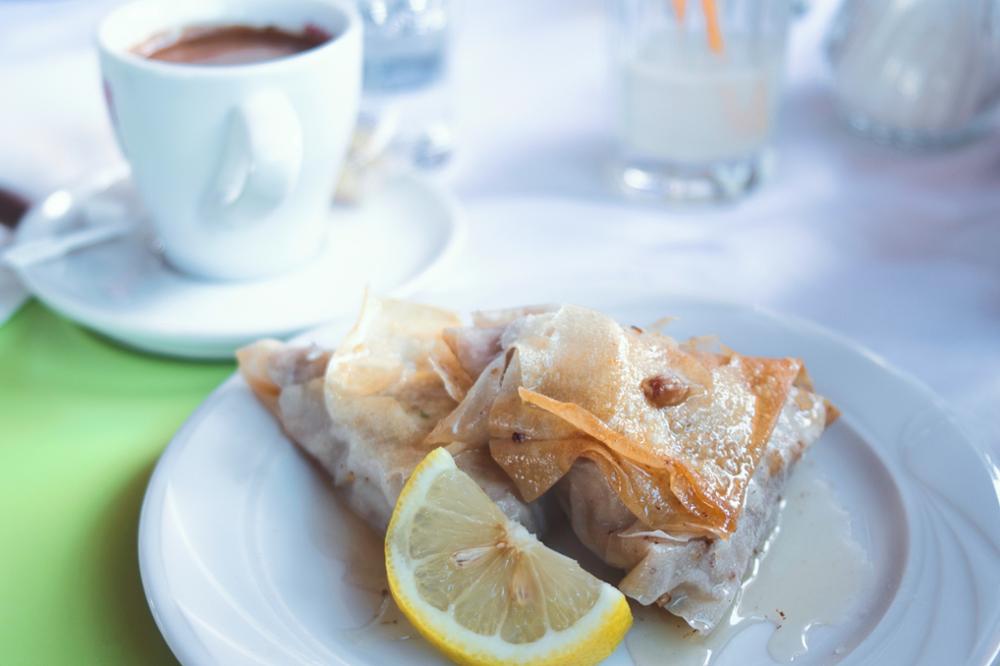
Rich in history, Montenegro tells its story through its gastronomy. A blend of Yugoslav, Turkish and Austrian cuisines, its traditional recipes offer another way to discover the country. During your visit, be sure to taste:
Kacamak: a purée made from potatoes, cornmeal, cheese and kajmak (another specialty made from curdled cream). This typical dish is often served with bacon or honey.
Pan-fried carp: this oven-cooked recipe is a must-try Montenegrin dish. The fish is accompanied by a sweet-and-salty preparation made with apples, plums, quinces, tomato purées, flour and subtle seasoning.
Baklava: inspired by Oriental pastries, these phyllo pastries filled with raisins and walnuts (marinated in honey and lemon) are true delights!
Frequently asked questions
Montenegro can be visited year-round. To enjoy the beaches and Adriatic coast, choose June to September. For skiing in Kolasin, opt for December to March. Spring and autumn are ideal for hiking and heritage discovery without summer crowds.
French citizens do not need a visa to visit Montenegro. A stay of up to 90 days is permitted with a valid passport or identity card. Montenegro is not an EU member but accepts European citizens without a visa.
Although Montenegro is not part of the eurozone, the country uses the euro (€) as its official currency since 2002. This is very convenient for European travelers, who don't need to exchange currencies.
Montenegro has 4 national parks: Durmitor National Park (ideal for hiking and the Black Lake), Lovcen National Park (with Njegoš Mausoleum), Skadar National Park (Europe's largest bird reserve) and Biogradska Gora National Park (with Biograd Lake).
Absolutely! Listed as a UNESCO World Heritage Site, Kotor is one of the most remarkable cities in the Balkans. Its fortified medieval center, ramparts reaching up to 1,500 steps, panoramic views over the bay and authentic atmosphere make it an essential stop on any Montenegro trip.
Montenegrin gastronomy is a savory blend of Yugoslav, Turkish and Austrian cuisines. Must-try dishes include Kacamak (potato and cornmeal purée with cheese), pan-fried carp served with a sweet-and-salty sauce, and Baklava, phyllo pastries with walnuts and raisins marinated in honey.